Sealant is a tiny part of a renovation budget, but you see it every day: around the sink, the shower and the kitchen counter. When it fails, it grows mould, turns yellow, cracks or peels away and lets water in. This guide explains the main types so you can tell your contractor what you want.
Common problems
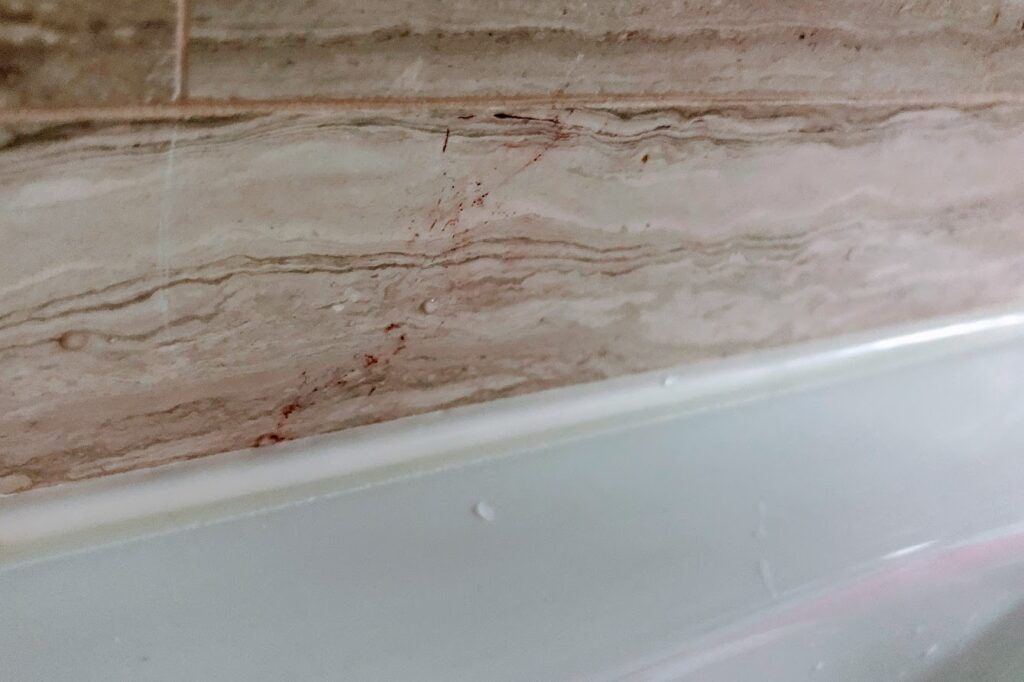
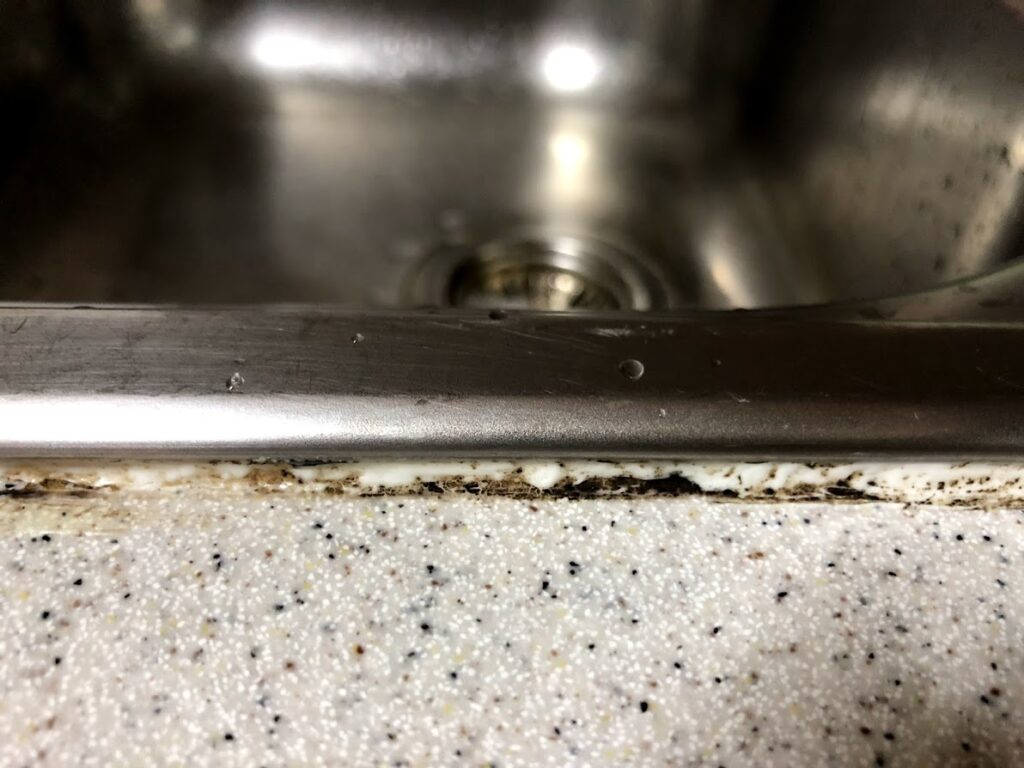
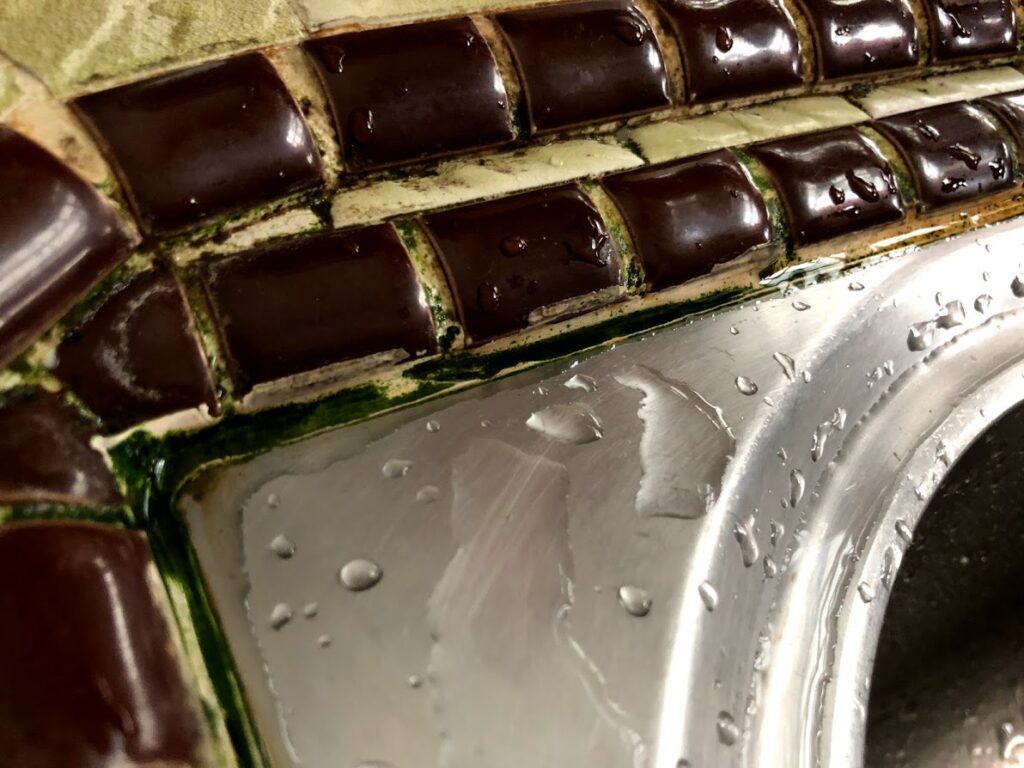
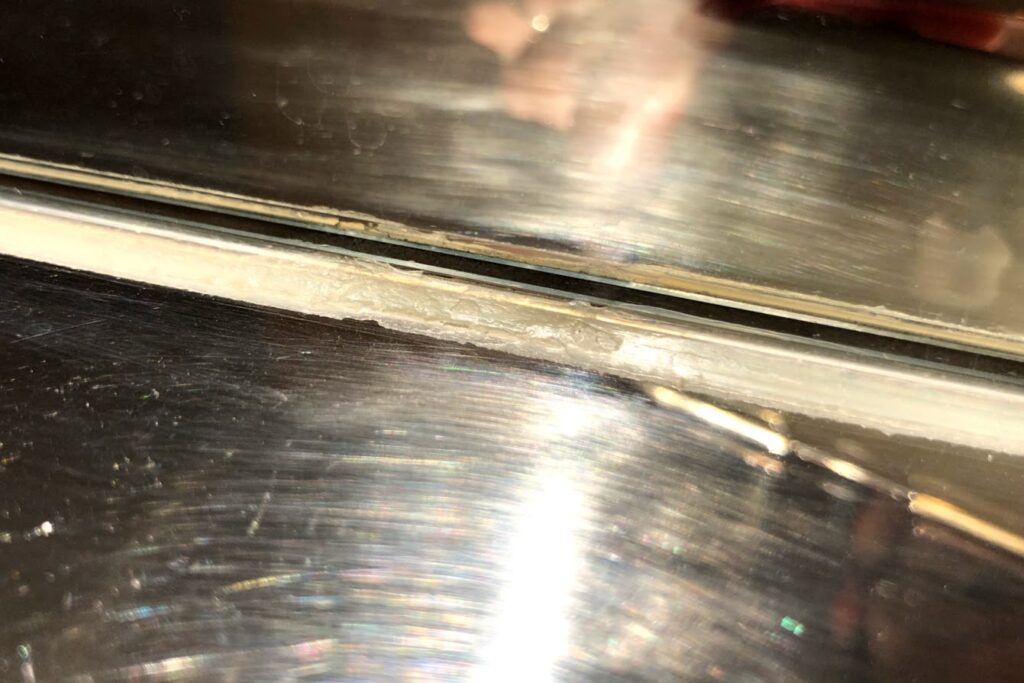
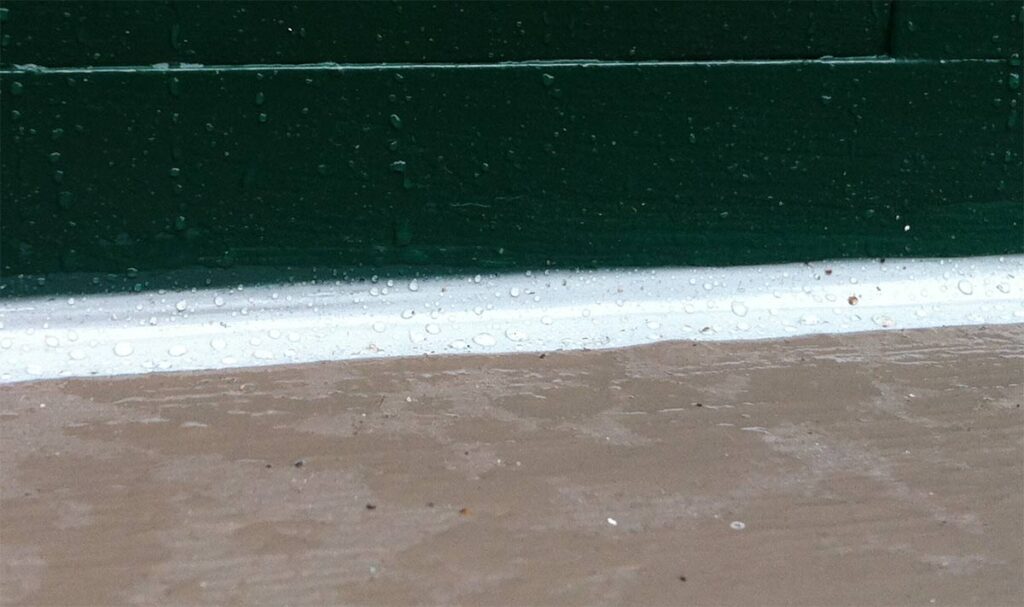
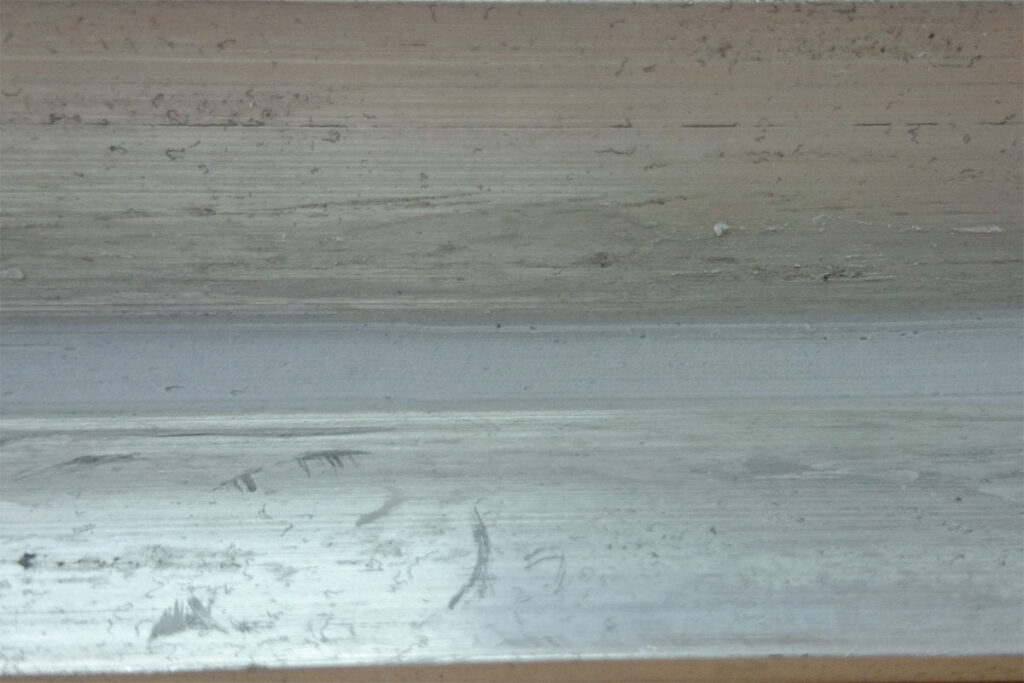
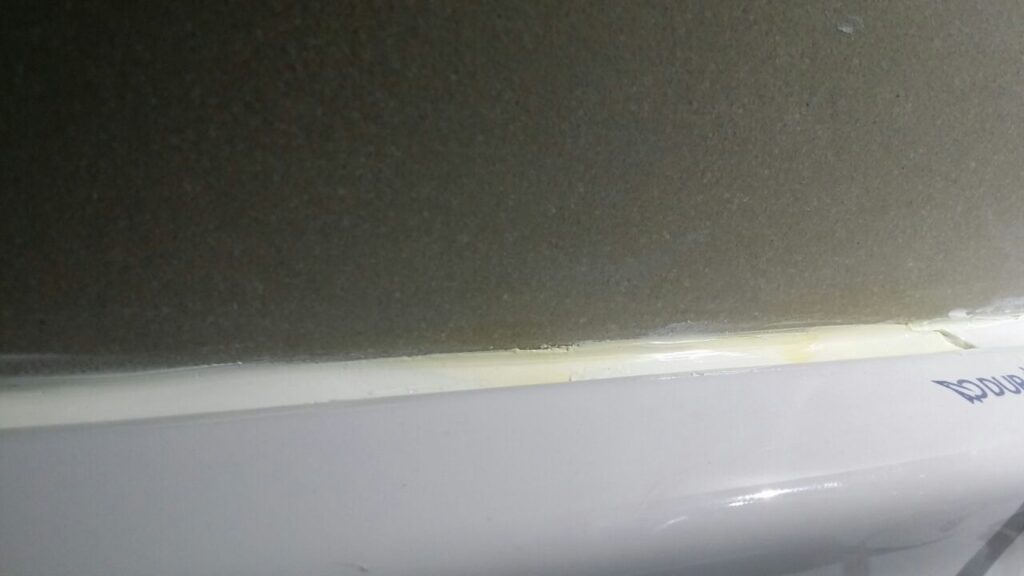
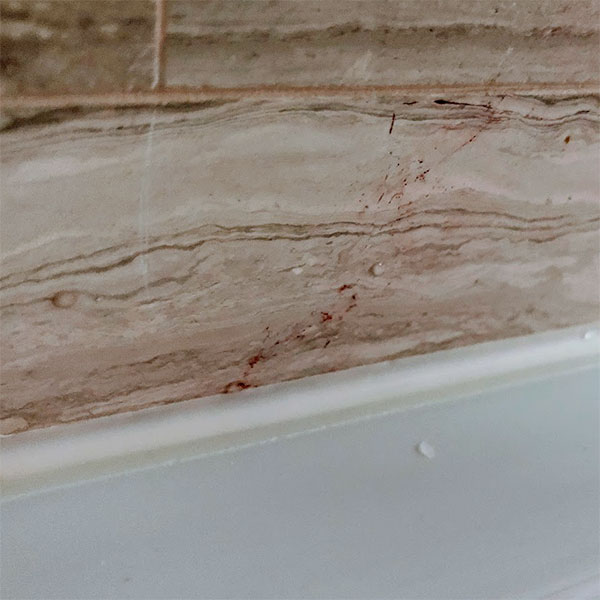
The photos at the end of this guide show what poor or unsuitable sealant turns into over time:
- Black spots and mould
- Yellowing, chalking and brittleness
- Cracking
- Loss of adhesion, so water gets behind the joint
- Staining of natural stone
Good sealants age too, but it takes much longer. Mould can appear on an unsuitable sealant within two weeks.
Silicon or silicone?
“Sealant” is the general term. Silicone is one type of sealant; others include acrylic, polyurethane and hybrid polymer. Silicon is a chemical element. There’s no such thing as a silicon sealant.
Common sealant types
Silicone sealants
The rubbery bead at the edge of your sink. Used in bathrooms, kitchens, glazing and windows. Permanently elastic, waterproof, UV resistant and easy to smooth. It bonds best to glass and metal and poorly to porous materials such as wood and brick. It can’t be painted.
Acetoxy silicones smell of vinegar while curing. Neutral (oxime) silicones don’t, and generally adhere better to more materials.
Heavily diluted silicones are cheaper but tend to crack, turn brittle and discolour. On marble, granite and other natural stone, the plasticisers in them can leach into the stone and stain it. Use a non-staining silicone there.
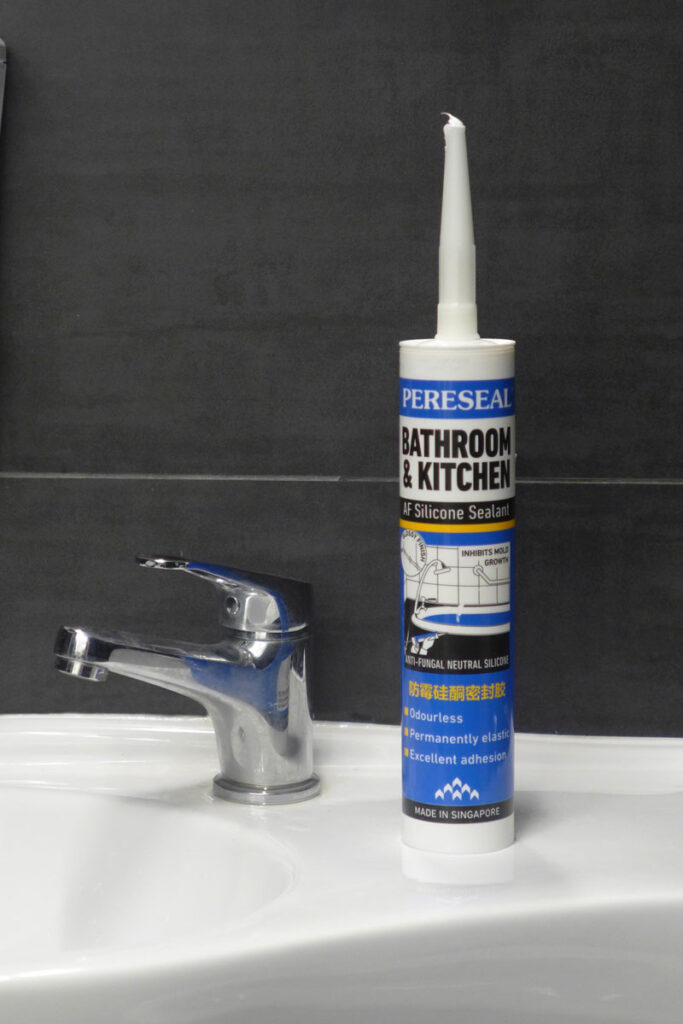
Plain silicone has no resistance to mould. In bathrooms and kitchens use a sanitary, anti-fungal grade such as Pereseal AF Bathroom & Kitchen Anti-fungal Silicone, tested to ISO 846. No sealant stays mould-free in a dirty, wet room, so ventilate after showers, keep the joint dry and clean it regularly.
Acrylic sealants
Used around walls, skirting, door frames and pipe or duct penetrations. Matte like a painted wall, paintable and easy to apply. Acrylics are not fully elastic and are not for joints in constant contact with water.
Polyurethane sealants
Mainly for construction expansion joints and sometimes between window frames and walls. Elastic, paintable and strong on concrete, but not UV resistant.
Hybrid-polymer sealants and adhesives
Soudal Fix All hybrid polymers seal and bond almost any material, are paintable and work on wet surfaces. They cost more, and their strong bond makes them harder to remove when you reseal. They’re most useful for repairs and difficult joints.
Application
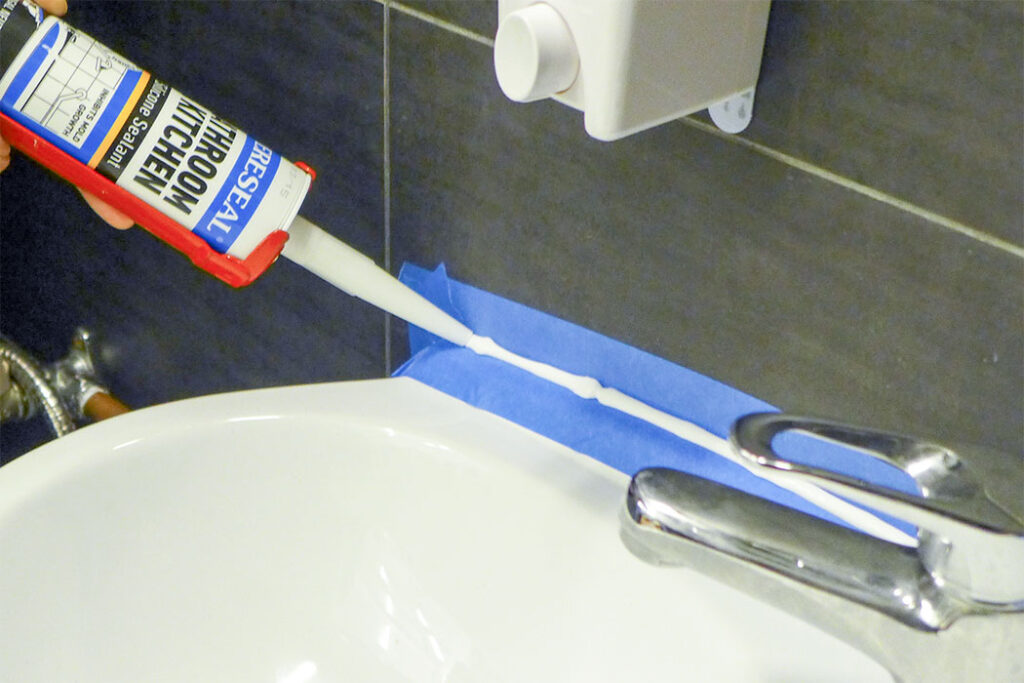
Ask your contractor to mask both sides of the joint with tape before sealing and remove the tape while the sealant is fresh. You get a straight, clean line with no residue on the wall. The last photo shows what happens without it.
Browse our sealants or contact PFE Technologies; your contractor or interior designer can also speak with us directly.